
Why Does Advanced Hygiene Care Go Beyond Simple Scraping?
From the desk of Dr. Matthew Gray
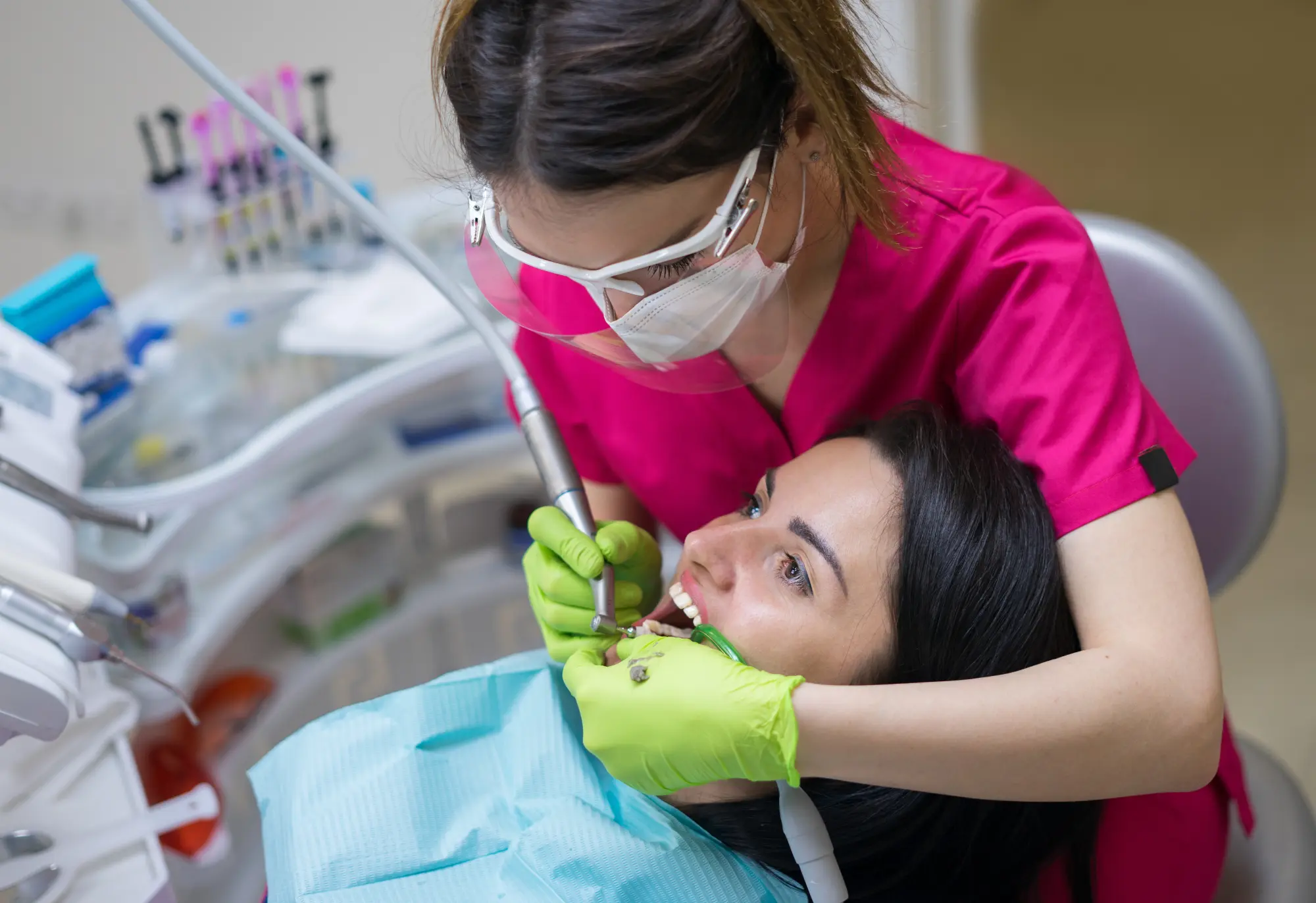
When people think about a dental hygiene appointment, they often picture someone cleaning or scraping buildup from their teeth. Removing plaque, biofilm, and hardened deposits is certainly part of professional hygiene care, but I believe a good preventive visit should accomplish much more than that.
The reality is that when my patients are healthy, I may only see them a couple of times each year. What happens during the hundreds of days between those visits is just as important to their oral health as what we do in the practice. That is why education, prevention, and understanding your individual risks are such important parts of general dentistry at Madrona Dental Care.
Our goal is not simply to leave your teeth feeling clean. We want to understand what is happening in your mouth, recognize concerns early, and give you useful information that can help you stay healthier long after you leave our office.
A dental cleaning is also an opportunity to catch problems early
One of the challenges with dental disease is that early problems are not always painful. A small cavity, for example, may develop without causing any noticeable symptoms. Gum inflammation can also progress quietly before a patient realizes something is wrong.
If we wait until a tooth hurts to address a problem, we may have missed the opportunity for a simpler intervention. At that point, treatment can become more involved.
This is one reason routine preventive visits matter so much. They give us the chance to look for subtle changes, evaluate risk factors, and intervene before a small concern has the opportunity to become something larger.
We look at more than plaque and tartar
When I perform a thorough dental evaluation, I think about oral health in four major categories: the gums and bone supporting the teeth, the condition of the teeth themselves, the way the teeth and bite function together, and the appearance of the smile.
Each category can tell us something different.
Your gums and supporting bone give us important information about the health and stability of the foundation around your teeth. The teeth themselves need to be evaluated for decay, cracks, existing dental work, and other changes. Your bite can reveal patterns of wear or inefficient function that may be placing excessive stress on certain teeth. Finally, we want to understand whether there are cosmetic concerns that matter to you.
Looking at all four areas allows us to treat your mouth as a connected system rather than focusing exclusively on what can be cleaned during that appointment.
Your cavity and gum disease risk is personal
Another reason advanced hygiene care needs to go beyond simple cleaning is that two patients with similar brushing and flossing habits can have very different oral health outcomes.
Research has helped us understand that a person's risk for tooth decay can be influenced by several factors, including genetics, diet, saliva production, and the composition of bacteria within the mouth. That means someone can brush and floss consistently and still be more susceptible to dental disease because of factors they may not be able to see or feel.
Understanding those differences helps us make prevention more personal. Instead of giving every patient the same instructions and sending them home, we can identify the areas where you may need additional support and discuss ways to reduce your individual risk.
Bleeding gums are worth paying attention to
One of the most common signs patients may overlook is bleeding when brushing or flossing. Bleeding gums can be a sign of inflammation, and persistent inflammation deserves attention.
It is easy to assume that a little bleeding is normal, especially if it has been happening for a long time. But your gums are part of the foundation that supports your teeth, so changes in their health are something we want to identify and address as early as possible.
At Madrona Dental Care, periodontal evaluation is an important part of preventive care. Rather than simply cleaning around the gums, we want to understand their current condition and whether there are signs that more individualized periodontal care may be beneficial.
Tooth wear can tell us something about your bite
Your hygienist and dentist are also paying attention to things you may never have thought to look for yourself.
Tooth wear is a good example. Many patients do not realize how much their teeth have changed gradually over time. In some cases, patterns of wear can indicate that there may be an issue with the way the teeth are functioning together.
This matters because maintaining healthy teeth is not only about preventing cavities. We also want the chewing system to work efficiently and avoid unnecessary stress or friction that can contribute to damage over time.
That is why preventive dentistry and restorative dentistry are so closely connected. Identifying why a tooth is changing can sometimes help us prevent the need for more extensive treatment later.
Advanced technology can make hygiene care more comfortable and precise
Technology has changed tremendously during my career, but I do not believe in adding technology simply because something is new. When I introduce something into my practice, I want it to meaningfully improve the patient experience or enhance the way we deliver care.
One example is Guided Biofilm Therapy, an advanced approach to professional dental hygiene that we use at Madrona Dental Care. Rather than relying exclusively on traditional scraping, this system uses airflow technology, warm water, and fine powder to help remove biofilm and surface stains in a gentle, precise way.
It can be especially useful around areas that are difficult to clean and for patients with sensitivity, gum inflammation, implants, orthodontic appliances, or a history of buildup. For me, technology like this makes sense because it serves a purpose: helping us deliver thorough hygiene care while making the experience more comfortable for our patients.
The most important part of prevention happens at home
As much as I value the work we do in the office, I also recognize its limitations. I only have a small amount of time with each patient throughout the year. Your everyday habits have an enormous influence on what happens during the rest of it.
That is why patient education is such an important part of my philosophy.
I do not want to simply tell someone to “brush and floss better.” I want patients to understand their own health, the areas where they may be at greater risk, what changes we are watching, and what they can realistically do at home to improve their outcomes.
When you understand the reason behind a recommendation, it becomes much easier to take an active role in your care.
What does high-quality preventive dentistry look like?
For me, high-quality dental care comes down to predictable outcomes, patient comfort, and results that last. Achieving that requires time.
There is a great deal of pressure in health care to move quickly and see more patients, but I know that I do not do my best work when I feel rushed. I have intentionally built Madrona Dental Care so that I can give patients focused, uninterrupted attention and take the time necessary to understand what I am seeing.
That philosophy applies to preventive care just as much as complex dentistry. A hygiene visit should not feel like a race to clean your teeth and get you out the door. It should give our team an opportunity to assess your health, identify risks, answer questions, and help you understand what comes next.
Prevention with more purpose in Anacortes
Advanced hygiene care is ultimately about looking beyond what is sitting on the surface of your teeth.
Yes, we want to remove plaque, biofilm, stains, and buildup. But we also want to understand the health of your gums and bone, evaluate the condition and function of your teeth, recognize signs of inflammation or excessive wear, consider your unique risk factors, and help you make informed decisions about your health.
If it has been a while since your last preventive visit, or if you would simply like a more complete understanding of what is happening with your smile, we would be happy to welcome you to Madrona Dental Care.
Call us at (360) 293-4695 or book online to schedule an appointment.
Come in with questions. Leave with clarity.
Recent Posts
How Do Implant-Supported Teeth Work? It Starts With a Plan
Why Do Providers of Permanent Dental Implants Place a Bone Graft Immediately After an Extraction?
Why a Protective Dental Crown is Essential After a Root Canal
Why Does Advanced Hygiene Care Go Beyond Simple Scraping?

What Are the Steps of a Full Mouth Reconstruction in Anacortes?
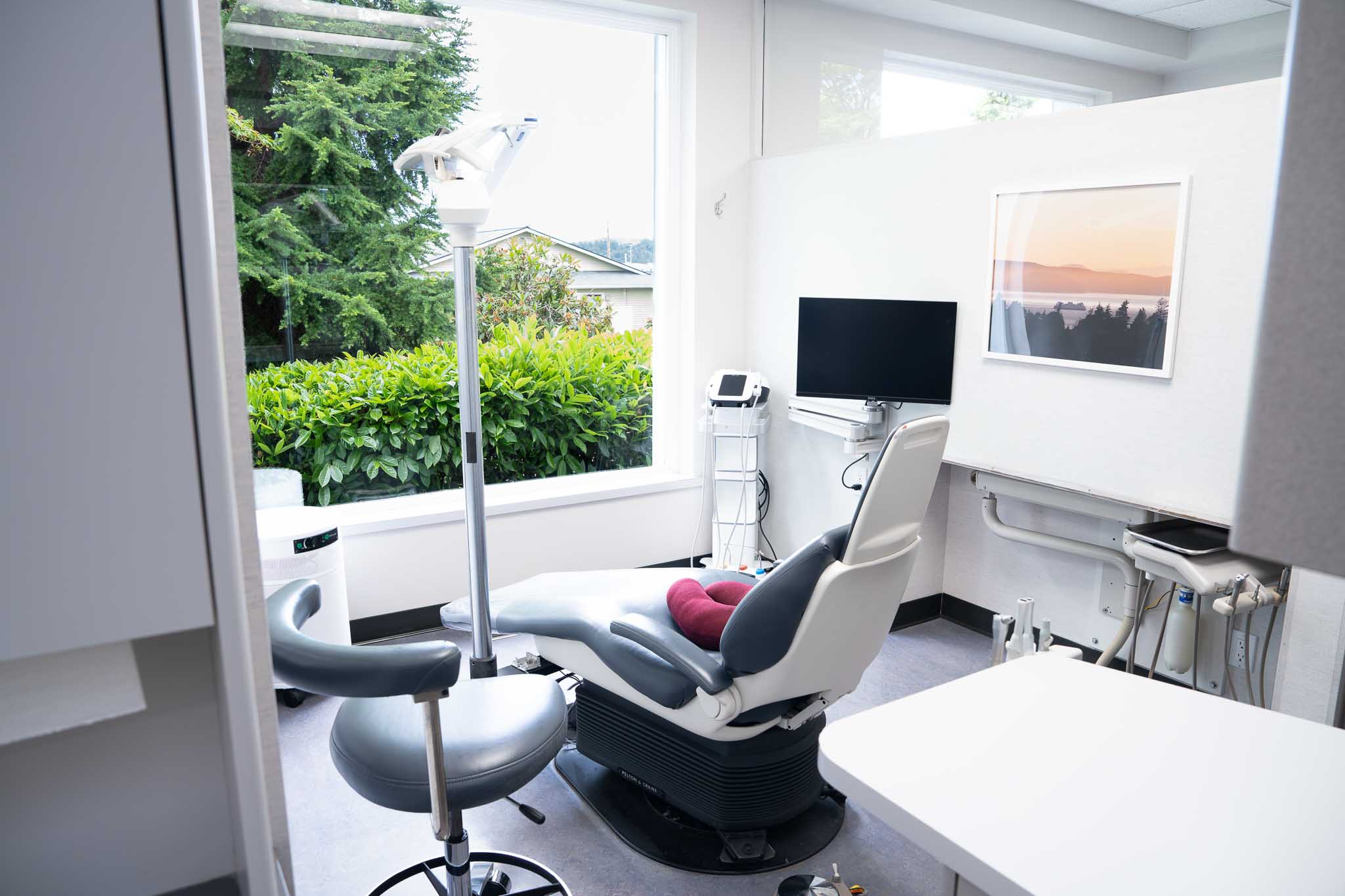
Welcome to Madrona Dental Care
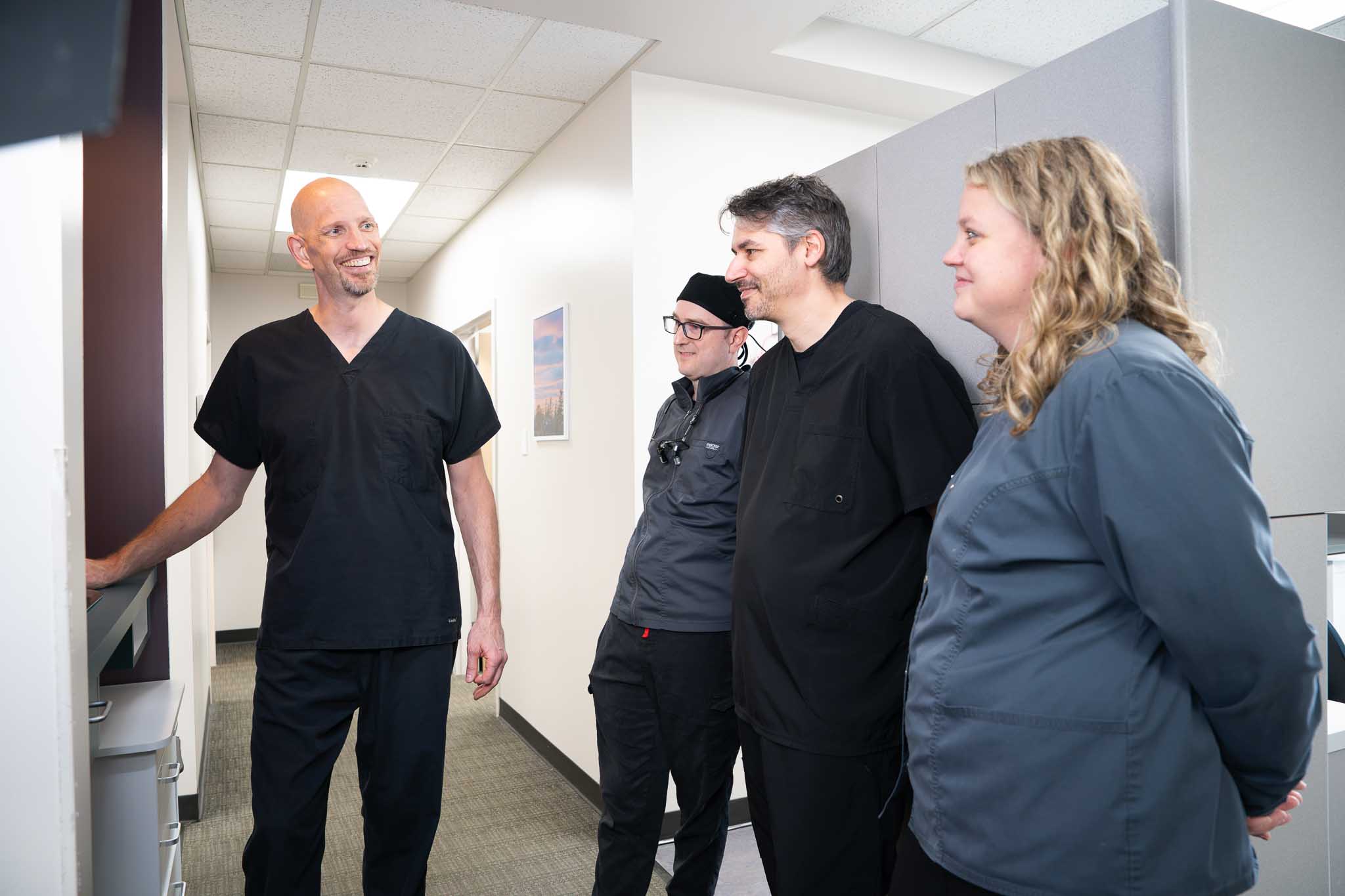
Come in with questions. Leave with clarity.
Whether you're in need of preventive care, restorative treatments, or a more complete understanding of your oral health, Dr. Gray and the Madrona Dental Care team are here to help.