
Why a Protective Dental Crown is Essential After a Root Canal
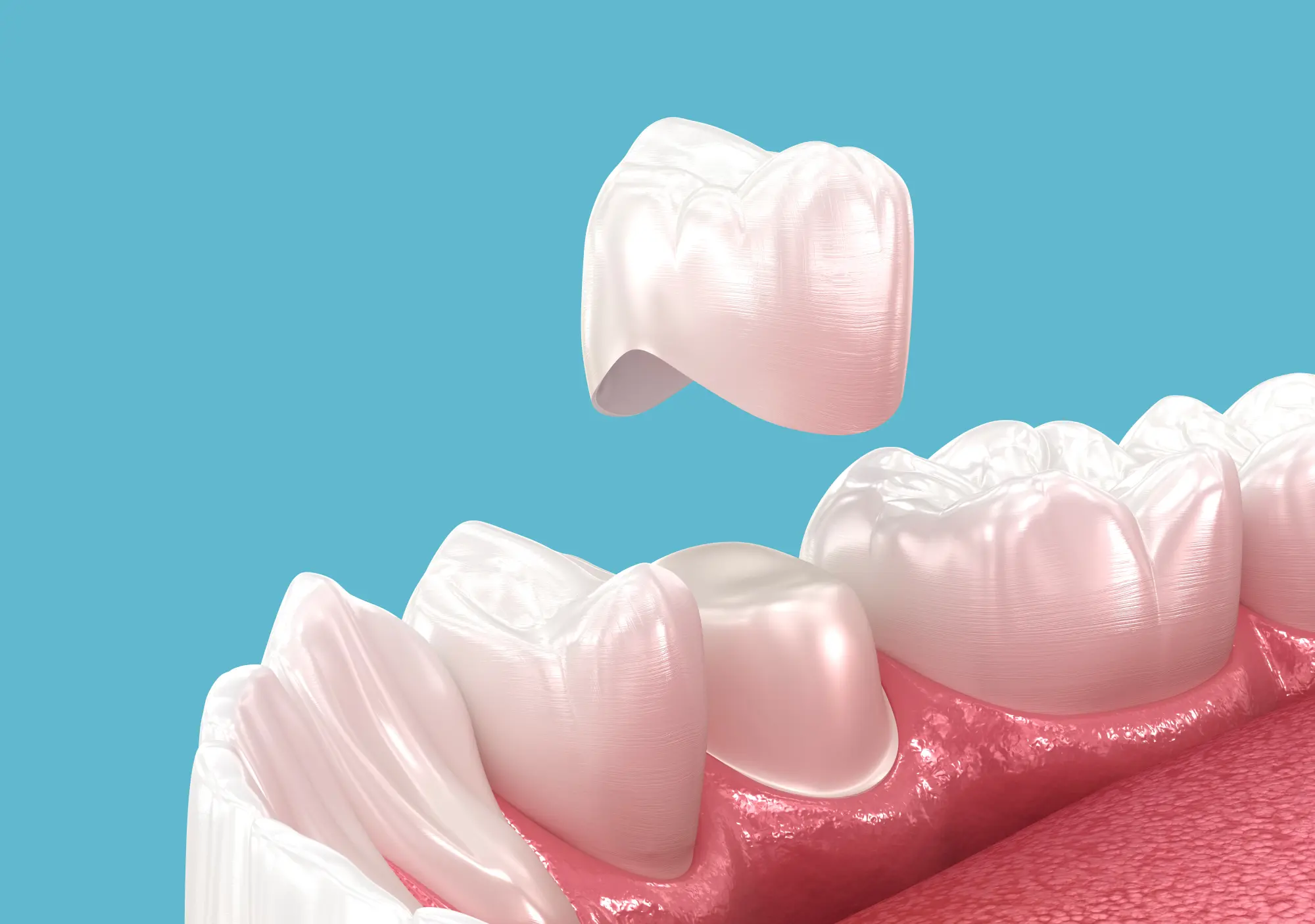
For many patients, the words “root canal” can spark feelings of apprehension, often tied to concerns about pain, time, or what comes next. And once relief arrives after the procedure, the next step, placing a dental crown, might seem unnecessary or even overwhelming. However, skipping this critical step could risk undoing the very stability restored by the treatment.
At Madrona Dental Care in Anacortes, WA, we take a calming, step-by-step approach to patient education and care, ensuring your dental health is not only repaired but safeguarded for the long haul. Here, we’ll explore why placing a protective crown is just as essential as the root canal itself.
What Happens During a Root Canal Procedure?
A root canal is a procedure designed to save a tooth severely damaged by decay or infection. During this process, the infected or dead pulp inside the tooth is removed, leaving behind a clean, hollowed structure. While the treatment relieves pain and preserves your natural tooth, it also removes its inner resilience, leaving the tooth susceptible to damage and fractures under the pressure of daily chewing.
Your restored comfort and function depend largely on what happens next. The tooth’s remaining shell is no longer strong enough to withstand everyday use long-term, which is why a dental crown is typically recommended as the final step in restoring a tooth that has had a root canal.
Why is Placing a Crown After a Root Canal So Important?
Simply put, a protective dental crown acts as a shield for the weakened tooth, ensuring it can function normally without the risk of further damage. Without this reinforcement, the tooth is at greatly increased risk of cracking or fracturing.
At Madrona Dental Care, our approach centers on preventing these types of avoidable issues before they arise, ensuring our patients enjoy a stronger, longer-lasting result. Here’s why crowns are essential following root canal treatment:
- Restores Tooth Strength: After the internal pulp is removed, the tooth loses much of its natural strength. A crown helps rebuild and reinforce the tooth’s ability to handle chewing forces.
- Prevents Fractures or Cracks: The structure of a treated tooth is more brittle, making it prone to sudden breaks if left unprotected.
- Preserves Longevity: A crown provides a seal around the tooth, preventing bacteria and further decay from compromising the treated area.
- Improves Confidence: Beyond function, a custom-made crown restores the appearance of the tooth, seamlessly matching your smile for a natural look.
How Does the Crown Placement Process Work?
After a root canal at Madrona Dental Care, Dr. Matthew Gray will carefully evaluate the treated tooth to ensure it heals properly before recommending the best timing for crown placement. Here’s a general outline of the process:
- Tooth Preparation: The tooth is slightly reshaped to create space for the crown to fit comfortably and securely.
- Digital Impressions: A precise digital scan ensures your crown is custom-made to fit both functionally and visually with the rest of your teeth.
- Temporary Crown: While the permanent crown is crafted in a laboratory, a temporary crown is placed to protect your tooth.
- Permanent Placement: Once your custom crown is ready, it’s bonded securely to your tooth, restoring its strength and appearance.
Do All Treated Teeth Require Crowns?
While a majority of teeth treated with root canals benefit from crowns, there are exceptions. For example, front teeth, which handle less chewing force, may not always require crowns. Dr. Gray carefully evaluates the specific needs and risks of each patient’s case using his advanced training from the Kois Center to make a personalized recommendation. This diagnostic-first mindset ensures that all potential risks are understood and addressed, aligned with each patient’s long-term goals.
How Madrona Dental Care Puts Your Comfort and Confidence First
At Madrona Dental Care, we believe in taking the time to explain the “why” behind every recommendation. Dr. Matthew Gray’s advanced training and diagnostic-first approach mean patients receive care rooted in prevention and long-term success.
Whether discussing the need for a crown post-root canal or exploring other treatment options, we create a reassuring environment where you can feel confident every step of the way. Our practice is also proud to prioritize comfort through techniques like Guided Biofilm Therapy (GBT) for regular hygiene visits, ensuring the gentlest, most advanced cleaning experience.
And while restorative treatments like crowns are necessary for certain situations, fostering overall wellness and stability remains our guiding principle. After all, addressing root causes, not symptoms, is key to a lifetime of dental health.
Schedule Your Consultation in Anacortes, WA
When it comes to your dental health, there’s no substitute for clear guidance and preventive care. If you’ve recently had, or are planning to undergo, a root canal and want to learn more about protective dental crowns, our team at Madrona Dental Care is here to help. From answering your questions to providing tailored treatment options, we focus on empowering you to move forward with confidence.
Give us a call today at (360) 293-4695 or book online to schedule an appointment with Dr. Matthew Gray. Serving the Anacortes community and beyond, we’re always here to help you protect your smile for years to come.
Recent Posts
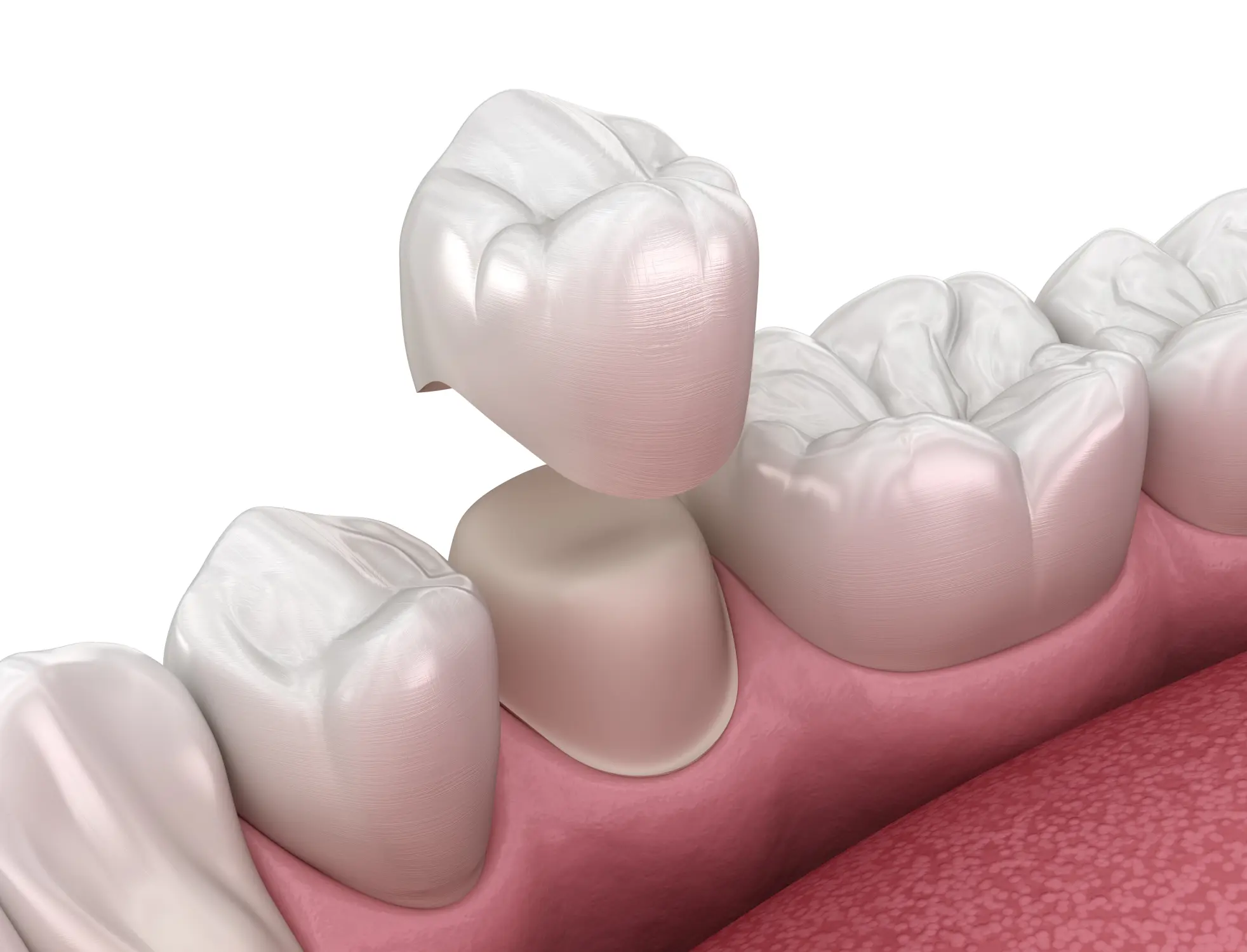
Can a Tooth Be Saved with Decay Under a Crown?
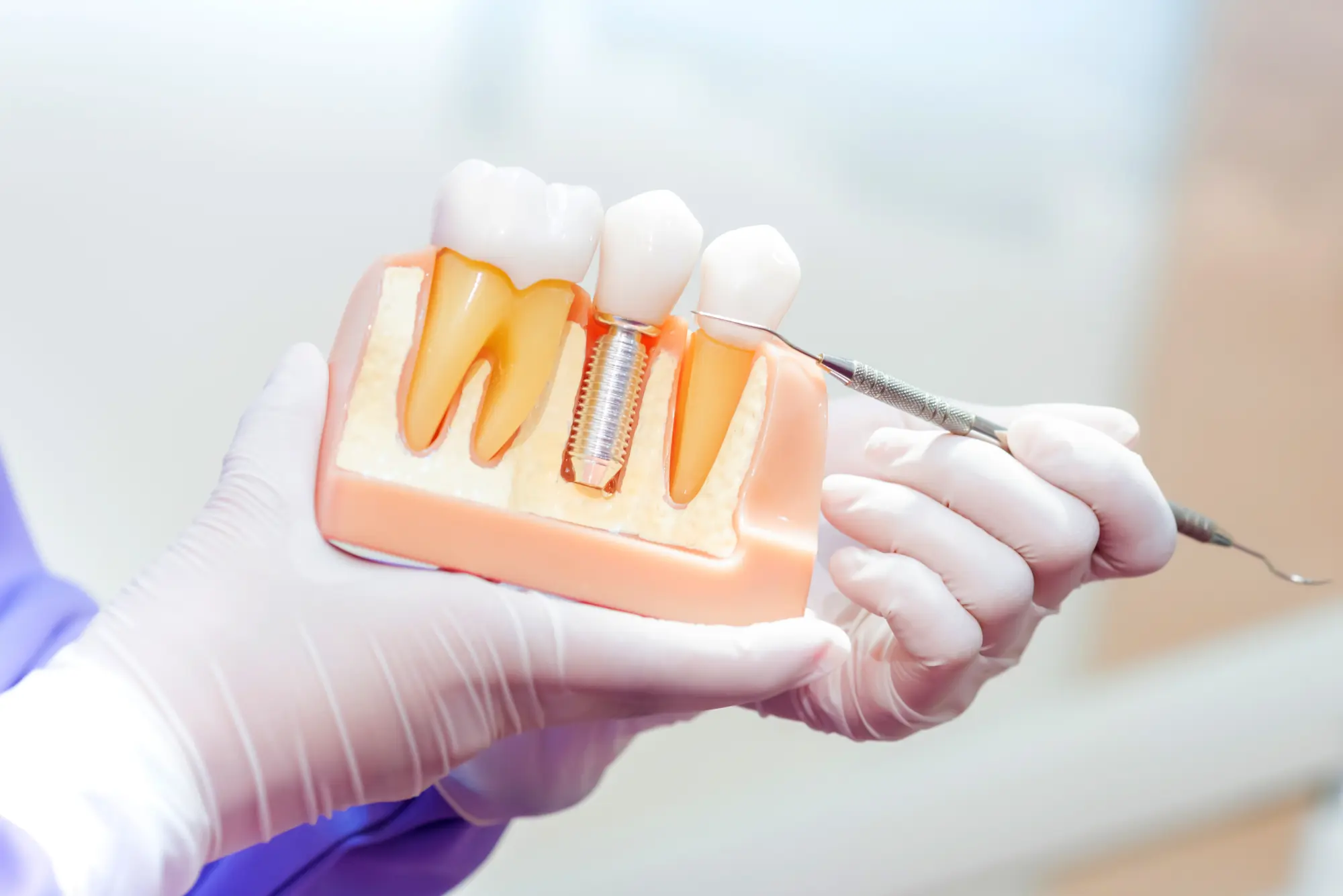
How Do Implant-Supported Teeth Work? It Starts With a Plan
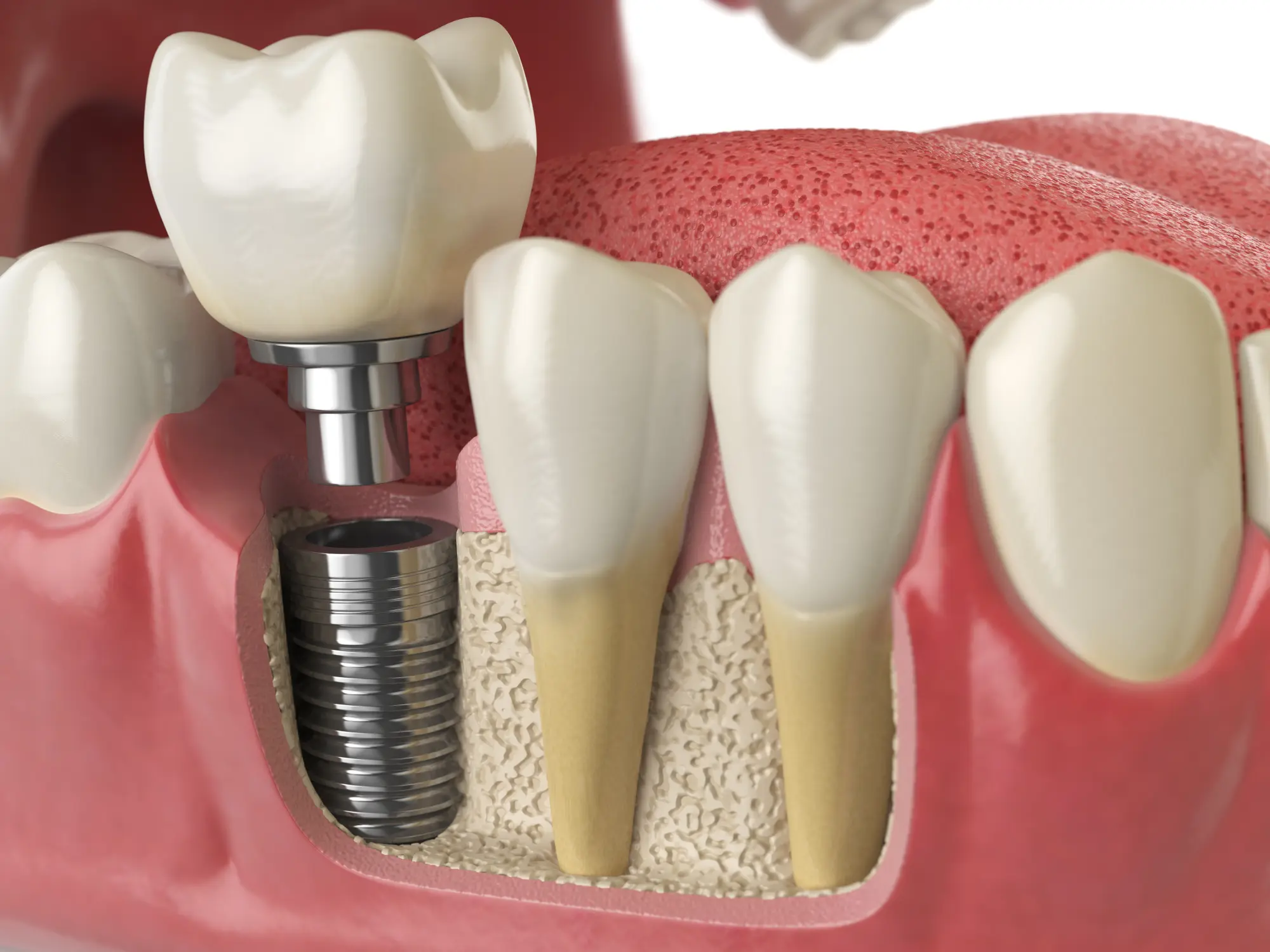
Why Do Providers of Permanent Dental Implants Place a Bone Graft Immediately After an Extraction?
Why a Protective Dental Crown is Essential After a Root Canal
Why Does Advanced Hygiene Care Go Beyond Simple Scraping?

What Are the Steps of a Full Mouth Reconstruction in Anacortes?
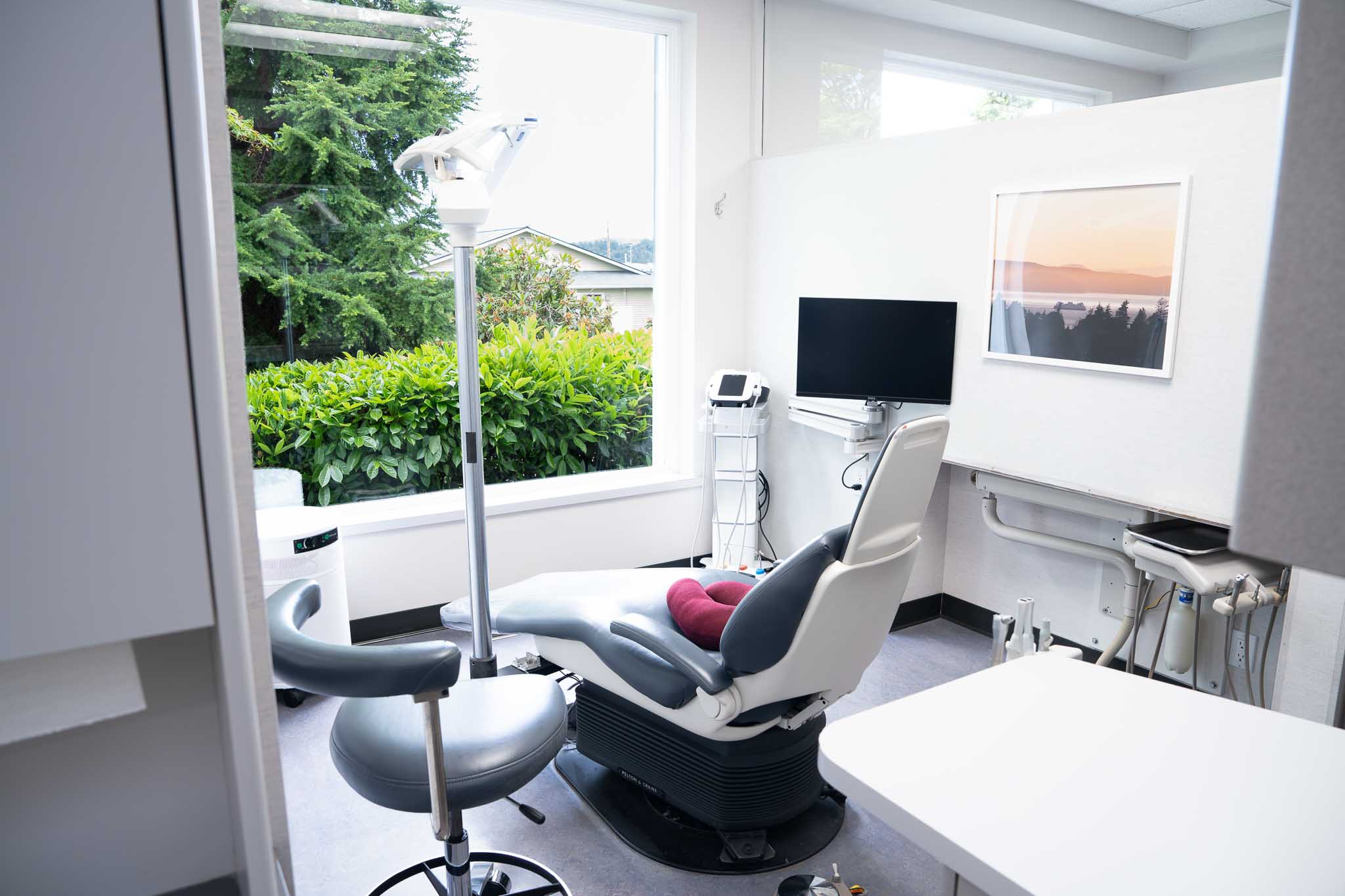
Welcome to Madrona Dental Care
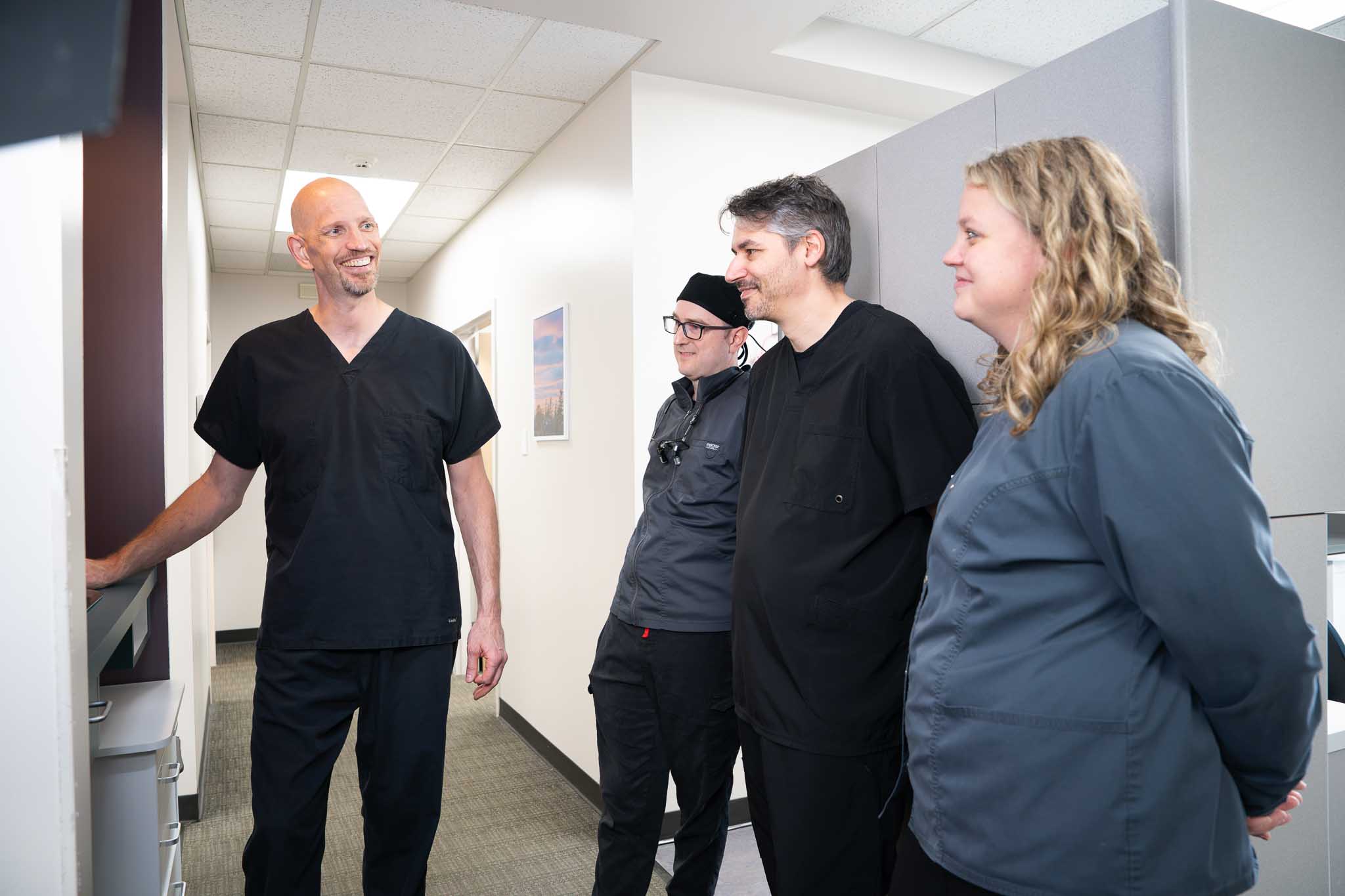
Come in with questions. Leave with clarity.
Whether you're in need of preventive care, restorative treatments, or a more complete understanding of your oral health, Dr. Gray and the Madrona Dental Care team are here to help.