
When Does a Tooth Need a Dental Crown?

By Dr. Matthew Gray
When I recommend a crown, I sometimes see a patient’s expression change. They may be thinking, “But my tooth doesn’t even hurt.” I understand the reaction! A crown can sound like a big step when you came in feeling fine.
Pain, though, is only one part of how I assess a tooth. I also look at how much healthy tooth remains, what treatment it has had in the past, and whether I see signs that it may be starting to break down. My job is to show you what I’m seeing and explain why a crown may be worth considering now.
Why Would I Need a Crown If My Tooth Does Not Hurt?
Sometimes the reason is a large cavity. Other times, the concern is a tooth that has already been repaired several times. A large filling may have served you well for years, but the remaining tooth can begin to show wear or cracks around it.
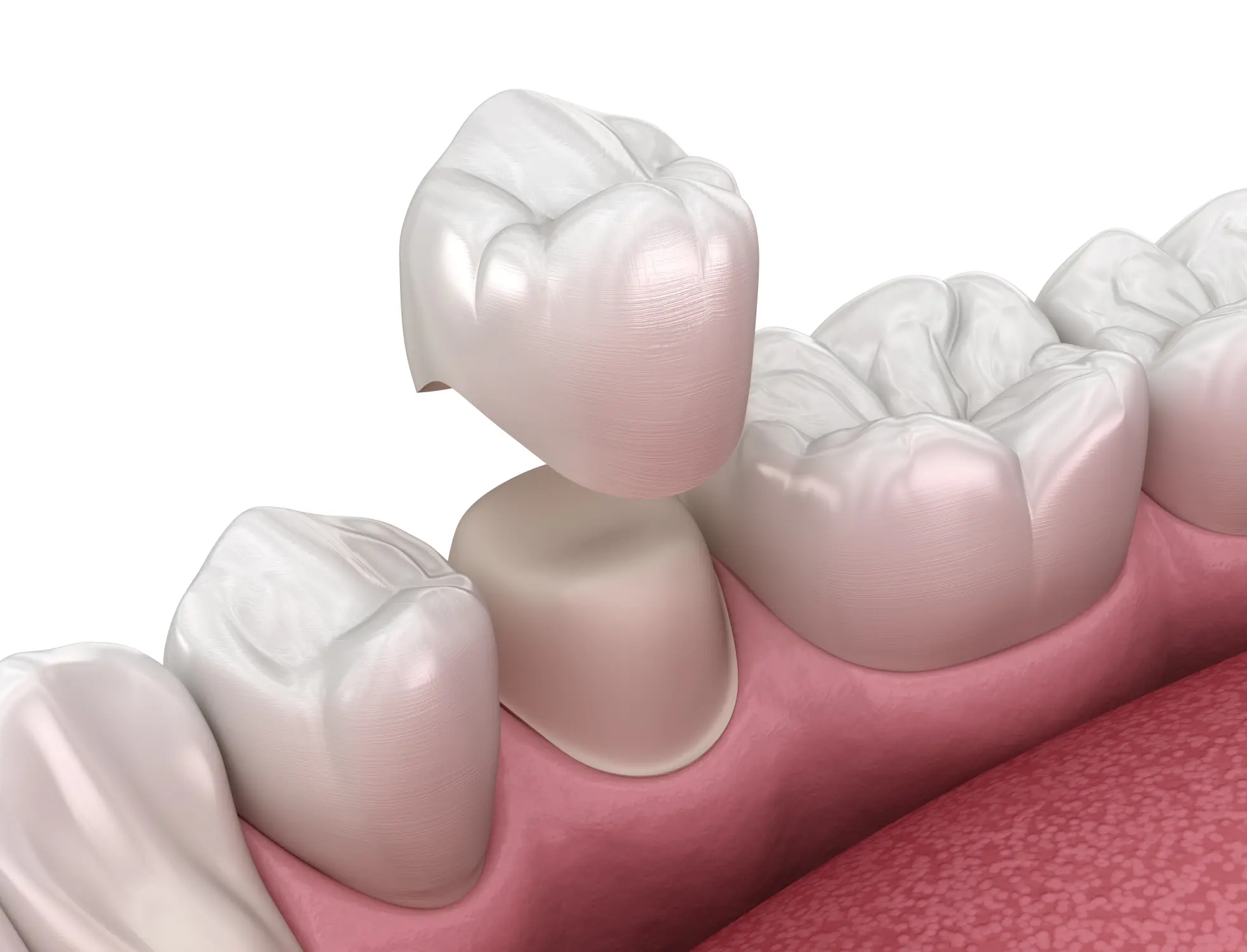
When I point out one of those changes, it doesn’t mean the tooth is beyond saving. Often, I’m recommending a crown because I believe we have an opportunity to protect it and improve its long-term outlook. A crown covers the tooth and can help support it when there is too little natural structure left for another filling to work well.
I want you to understand the condition of your tooth before we talk about treatment. We can look at the images together, discuss what concerns me, and talk through what might happen if you choose to wait.
When Is a Crown a Better Choice Than Another Filling?
A filling repairs a specific area of damage. A crown may make more sense when the damage is extensive or when the tooth needs more support across its chewing surface.
There isn’t one rule that applies to every large filling or visible crack. I consider how much tooth remains, where the damage is located, how you bite, and what I can reasonably expect from each option. A small change in one tooth can matter quite a bit when that tooth takes a lot of force every time you chew.
That’s why I don’t want to simply replace an old filling without asking why it failed or what condition the tooth is in now. The right restoration should address the problem we see today and give the tooth a good chance of functioning comfortably in the years ahead.
What Makes a Dental Crown Successful?
Patients usually see the finished crown. They notice that it looks like a tooth and feels comfortable when they bite. I care about those things too, but much of the work that determines how well a crown fits happens before it is ever placed.
Preparing the tooth requires precision. I need to create the right shape and make room for the restorative material while preserving tooth structure where I can. Then the crown must be made to fit closely and work with the surrounding teeth and your bite.
The materials available today give us more ways to create restorations that look natural and allow for a thoughtful approach to tooth preparation. Still, the material alone cannot make up for an incomplete diagnosis or a poorly planned restoration. I want to understand the tooth first, then choose a path that makes sense for it.
What Happens If I Wait to Treat a Damaged Tooth?
This is a fair question, and I won’t assume that you’re ready to move forward the moment I make a recommendation. You deserve to understand your choices, including what it could mean to monitor a tooth for now.
What I do want you to know is that a cracked tooth cannot repair its own fracture. Some cracks can progress, and the treatment options may change depending on how far the damage extends. A crown can help protect a cracked tooth, although no treatment can guarantee that every cracked tooth will be saved.
If I’m concerned about waiting, I’ll tell you what I’m seeing and why timing matters in your case. Treating a tooth while more of its natural structure remains may give us options that are no longer available after further damage.
How Do Crowns Fit Into a Larger Treatment Plan?
For some patients, we’re talking about one tooth. For others, several teeth have become worn or damaged, and we need to think about how the whole mouth will function when treatment is complete.
In a larger restorative case, I work through a comprehensive diagnostic process and collaborate closely with my dental laboratory. We plan the intended result before I begin preparing teeth. That helps me consider how your teeth will meet, how you’ll chew, and how the restorations will look together.
I find this part of dentistry especially meaningful. When someone can eat more comfortably and feel at ease with their smile again, the change reaches well beyond the dental chair.
What If I Feel Nervous About Getting a Crown?
Please tell me. You can ask about the procedure, the cost, the alternatives, or what it would mean to wait. I’d much rather spend time on those questions than have you leave feeling uncertain about a recommendation.
We have dependable ways to keep you comfortable during treatment, and we’ll discuss what to expect before we begin. Most of all, I want you to feel that you have enough information to make your own decision. That includes understanding the benefits and limitations of the options available for your tooth.
Let’s Look at Your Tooth Together
If you’ve been told you need a crown and aren’t sure why, I’d be glad to walk through it with you. We can look at the tooth together, talk about what I’m seeing, and discuss the options that make sense for your health, comfort, and goals. If you’re nervous about treatment or concerned about timing, bring those questions too. There’s room for that conversation here.
My hope is that you leave Madrona Dental Care understanding your tooth and feeling comfortable with the decision you make. Get in touch with our team to schedule a visit in Anacortes. I look forward to meeting you.
Recent Posts
When Does a Tooth Need a Dental Crown?
Can a Tooth Be Saved with Decay Under a Crown?
How Do Implant-Supported Teeth Work? It Starts With a Plan
Why Do Providers of Permanent Dental Implants Place a Bone Graft Immediately After an Extraction?
Why a Protective Dental Crown is Essential After a Root Canal
Why Does Advanced Hygiene Care Go Beyond Simple Scraping?

What Are the Steps of a Full Mouth Reconstruction in Anacortes?

Welcome to Madrona Dental Care

Come in with questions. Leave with clarity.
Whether you're in need of preventive care, restorative treatments, or a more complete understanding of your oral health, Dr. Gray and the Madrona Dental Care team are here to help.