
Can a Tooth Be Saved with Decay Under a Crown?
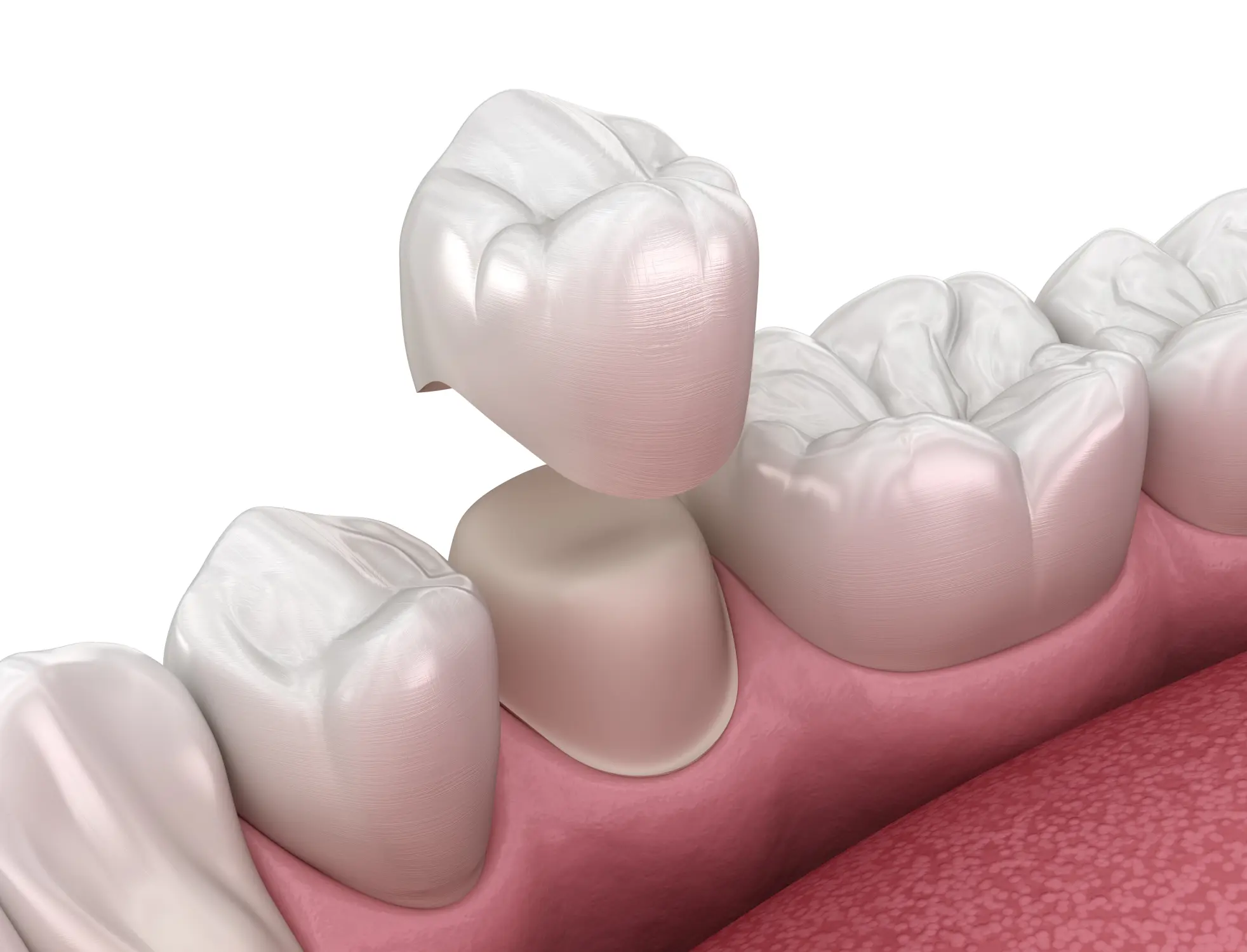
A dental crown is designed to protect and strengthen a tooth. Yet, what happens when decay sneaks in underneath it? If you’ve noticed sensitivity, discomfort, or have concerns about an older crown that might fail, you’re not alone.
At Madrona Dental Care in Anacortes, WA, we understand this worry. And we approach every case with the utmost care and a commitment to preserving your dental health wherever possible.
The big question then becomes: can a tooth still be saved when decay develops under a crown? Let’s take an in-depth look at this common concern and how it can be addressed through informed, proactive care.
Why Does Decay Develop Under a Crown?
While crowns are crafted to shield a tooth from further damage, they aren’t immune to vulnerabilities. Tooth decay beneath a crown commonly develops from:
- Bacteria building up along the crown’s edges due to improper oral hygiene
- Aging dental cement breaking down over time, creating space for bacteria
- Small fractures or openings in the crown that allow decay to creep in
For the most part, decay can be avoided with proper at-home oral hygiene, a “tooth-healthy” diet and lifestyle, and routine six-month checkups and cleanings from your dentist. But if decay does develop and goes unchecked, it can compromise the underlying tooth structure, leading to more serious damage or even tooth loss in some cases.
How Can a Tooth with Decay Under a Crown Be Diagnosed?
Determining whether a tooth with decay under a crown can be saved requires thoughtful, diagnostic-first dentistry. At Madrona Dental Care, our process begins with a detailed evaluation, including:
- A full visual assessment of the crown and gums
- Modern diagnostic imaging, such as X-rays
- Investigating bite alignment to check for excessive wear or stress on the crown
- A review of your overall oral health, medical history, and risk factors
Using advanced training and tools, Dr. Matt Gray aims to get a complete picture of what’s happening beneath the surface. This allows us to make informed recommendations tailored to your long-term dental health goals.
When Can a Tooth Be Saved – And When Is It Unsaveable?
The good news is that in many cases, a tooth with decay under a crown can be saved. Factors that influence treatment options include:
- The extent of decay: If the decay is minimal and limited to the area beneath the crown, it may be treatable without compromising the tooth’s ability to function.
- The health of the tooth structure: If there’s enough healthy tooth remaining, removal of the decay followed by repair is possible.
- Root canal necessity: In some cases, decay may extend to the tooth’s nerve. Here, root canal treatment might be performed to eliminate infection before placing a new crown.
If the tooth is too damaged, extraction may be the only viable option. However, rest assured, Dr. Gray will walk you through every detail of your situation, explaining your options clearly and without pressure.
What Are the Treatment Steps for Decay Under a Crown?
If treatment is possible, the process generally unfolds as follows:
- Removal of the existing crown: The old crown will be carefully removed to expose the tooth beneath.
- Eliminating decay: The tooth is thoroughly cleaned, and any decayed tooth material will be trimmed away to prevent further damage and ensure a stable platform for your new crown.
- Assessing tooth stability: Dr. Gray will evaluate how much natural tooth structure remains to ensure lasting durability, and ensure that repairing the tooth with a crown is the right path forward.
- Restoration: Depending on the extent of the damage, you may need to get root canal therapy to remove decay from inside your tooth. Once it’s stabilized, a new crown will be designed and fabricated to fit securely over the tooth.
How Does Madrona Dental Care Approach These Cases?
At Madrona Dental Care, we pride ourselves on offering patient-centered care with a diagnostic-first focus. Here’s what sets us apart:
- Whole-picture evaluations: Our process includes analyzing all factors, from bite alignment to overall oral health, ensuring comprehensive care tailored to the patient’s unique needs.
- Guided Biofilm Therapy: As the first office in Skagit County certified in EMS Airflow technology, we deliver cleaner, more comfortable hygiene experiences for all our patients.
- Advanced clinical expertise: Dr. Matt Gray’s post-graduate training through the Kois Center ensures precise diagnosis and treatment planning for long-term stability.
And with a transparent, unhurried approach, we make sure you are informed and confident in every decision regarding your care.
Take the First Step Toward Saving Your Tooth At Our Office
Decay under a crown doesn’t automatically mean losing your tooth, but acting quickly is key. With thorough evaluations and modern dental care, it’s often possible to restore and protect your tooth for years to come. At Madrona Dental Care in Anacortes, WA, Dr. Matt Gray and our team are here to guide you through every step, offering clarity, comfort, and certainty along the way.
If you’re experiencing discomfort or are concerned about the state of your crown, don’t wait. Call us today at (360) 293-4695 to schedule a consultation. Together, we’ll create a plan that works for your oral health and your peace of mind.
Recent Posts
Can a Tooth Be Saved with Decay Under a Crown?
How Do Implant-Supported Teeth Work? It Starts With a Plan
Why Do Providers of Permanent Dental Implants Place a Bone Graft Immediately After an Extraction?
Why a Protective Dental Crown is Essential After a Root Canal
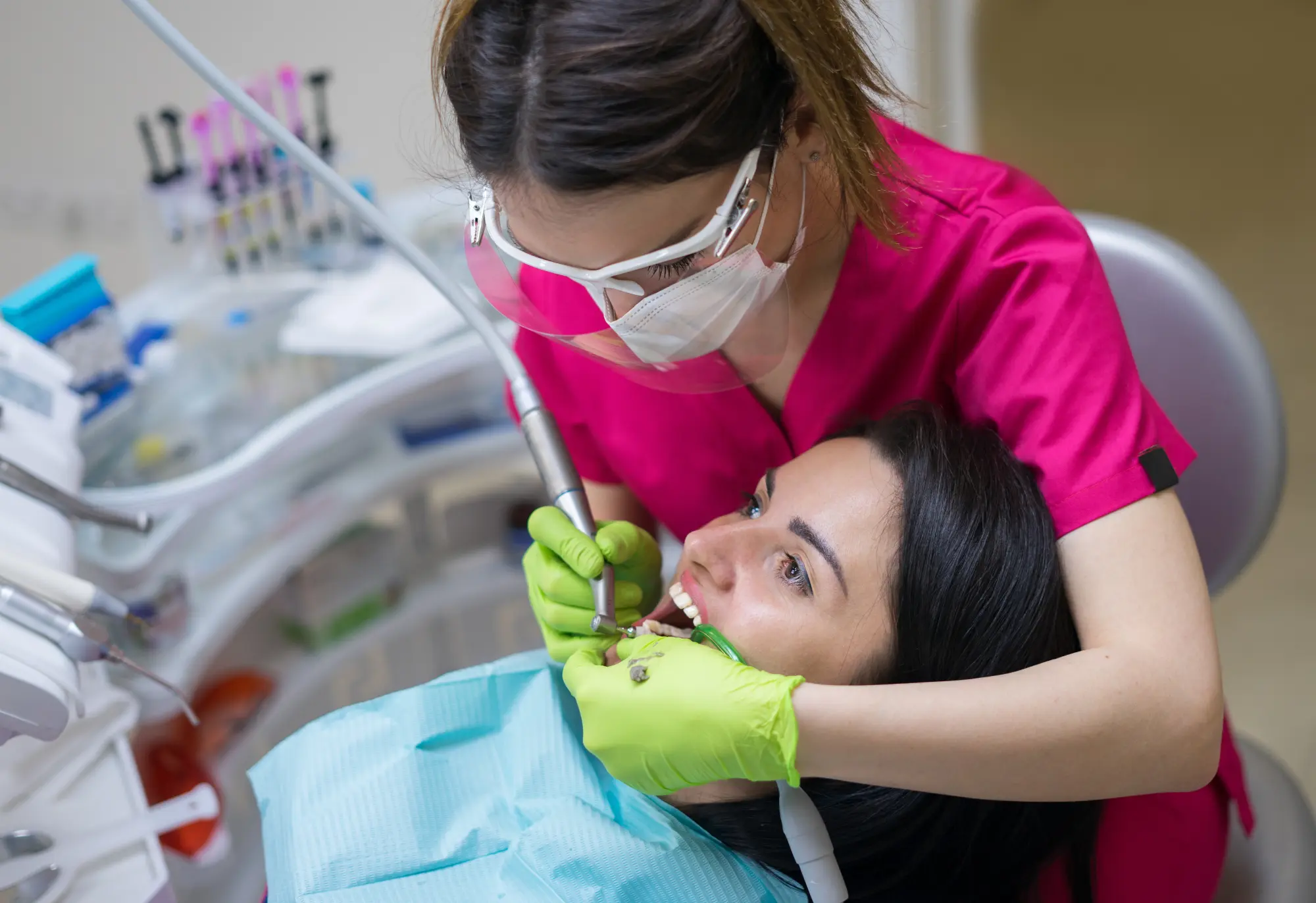
Why Does Advanced Hygiene Care Go Beyond Simple Scraping?

What Are the Steps of a Full Mouth Reconstruction in Anacortes?
Welcome to Madrona Dental Care
Come in with questions. Leave with clarity.
Whether you're in need of preventive care, restorative treatments, or a more complete understanding of your oral health, Dr. Gray and the Madrona Dental Care team are here to help.