
How Do Implant-Supported Teeth Work? It Starts With a Plan
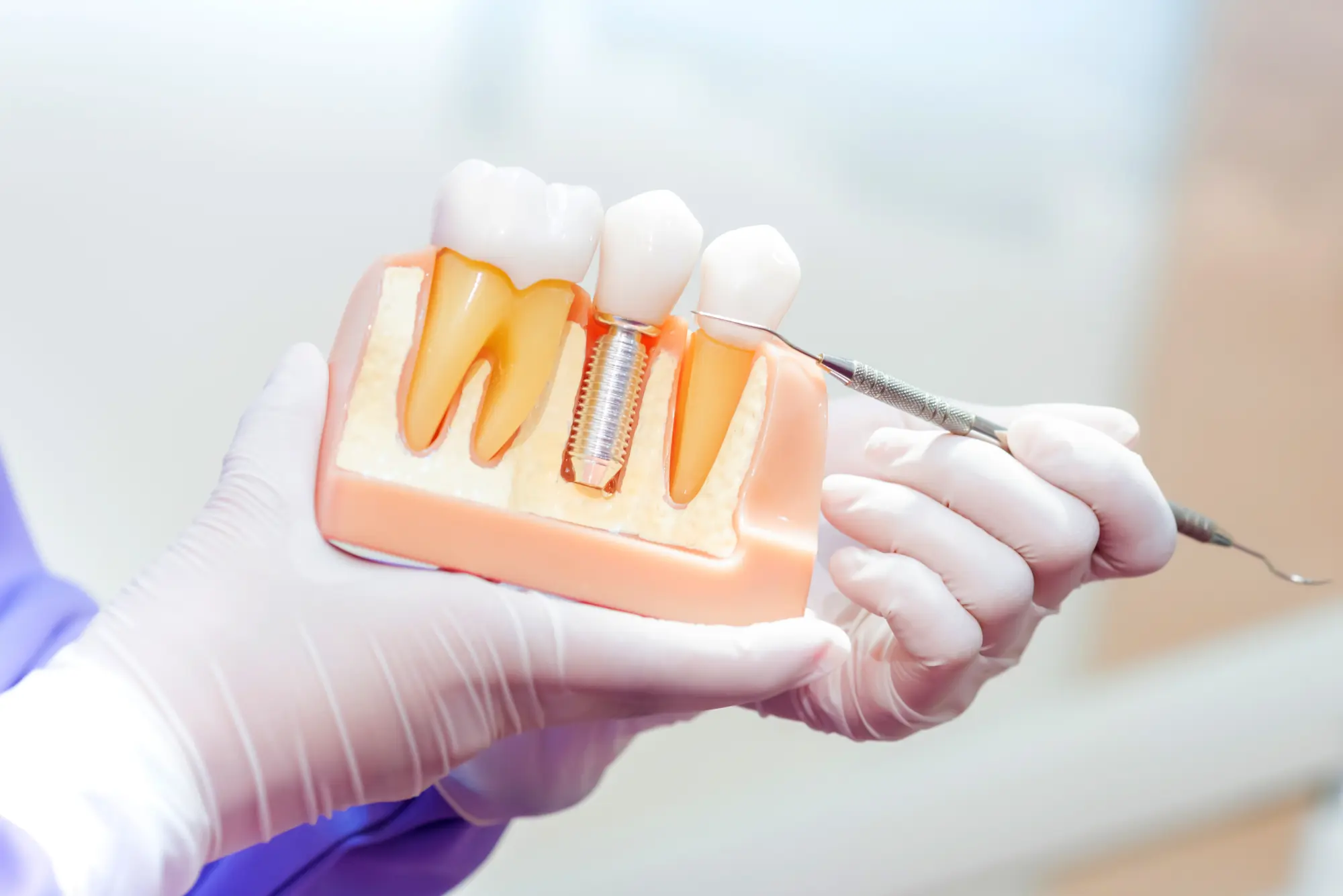
When someone asks me about dental implants, they’re often thinking about the surgery: where the implant goes and how it stays in place. I’m thinking about something else first. Where should the new tooth go? How should it look in your smile? How will it function when you eat?
Those exact questions shape the treatment plan before an implant is placed. Whether we’re replacing one tooth, several teeth, or a full arch, I want the finished restoration to make sense for the person who will live with it every day.
What is an implant-supported restoration?
A dental implant is placed in the jaw to support a replacement tooth. Depending on your needs, the visible restoration might be a single crown, a bridge, or a full set of replacement teeth. For someone missing many teeth, a fixed prosthesis can be secured to several implants and remain in the mouth rather than being taken out like a conventional denture.
I’ve seen how meaningful it can be for someone to regain comfortable function. Patients may come to me after struggling with dentures, or when their remaining teeth can no longer be maintained predictably. The right treatment depends on their health, their goals, and what we learn during a thorough evaluation.
Why does dental implant planning start with the final teeth?
Imagine placing the foundation for a house before deciding where the walls need to go. You could build on it, but you might make every step afterward more difficult. Implant treatment has a similar relationship between the foundation and the finished result.
Before an implant is placed, I need to understand where the replacement tooth or teeth should sit in relation to your face, smile, bite, and surrounding teeth. That helps guide the position of the implants beneath them. Planning this way gives the surgical and restorative teams a shared goal from the beginning.
At Madrona Dental Care, diagnosis is the foundation of my work. I want to understand the condition of your teeth and gums, how your bite functions, and why problems developed. That information helps me explain your options and build a plan around your particular needs.
Who places and restores dental implants?
Implant care often involves more than one clinician. In my practice, I work with a board-certified oral surgeon who places the implants. I develop the restorative plan with that surgeon, then provide the new tooth, bridge, or prosthesis that attaches to the implants.
I sometimes describe my role as the quarterback. I’m looking at the whole case, calling the plays, and coordinating with teammates whose skills are essential to the outcome. The comparison is a little informal, but it captures why communication matters so much. We need to agree on where we’re going before anyone takes the next step.
I also want you to be part of that conversation. You should understand what each clinician is doing, why we’re recommending a particular approach, and what the finished restoration is intended to accomplish.
Who may benefit from fixed implant-supported teeth?
Some people have worn conventional dentures for years and still have trouble functioning comfortably with them. Others have teeth that, despite their best efforts, can no longer be saved. For these patients, a fixed implant-supported restoration may offer a way to rebuild their smile and restore function.
One example is a full-arch prosthesis supported by several implants. In the video, I show a model with six implants in the upper jaw and a restoration secured to them. That model helps illustrate the concept; it isn’t a prescription for how many implants every patient needs. The design of your treatment depends on your anatomy and clinical needs.
Do dental implants need ongoing care?
Absolutely. One misconception I hear is that once an implant is anchored in the bone, there’s nothing left to maintain. The tissues around an implant still need attention. Inflammation can develop around implants, and regular home care and dental visits help us monitor their health.
I’ll explain how to clean around your particular restoration and what we’ll watch at follow-up visits. Maintenance is part of the treatment plan from the start because I want you to know how to care for the result we’ve worked together to create.
Where should you begin if you’re considering dental implants?
Start with a conversation and a comprehensive assessment. You may have questions about whether your teeth can be saved, what life with a fixed restoration would feel like, or how several specialists would work together. I welcome those questions. My job is to help you understand what’s happening in your mouth and make a well-informed decision about what comes next.
If you’re considering implant-supported care in Anacortes, I’d be glad to meet you at Madrona Dental Care, learn what you’ve been experiencing, and talk through your options together.
Recent Posts
How Do Implant-Supported Teeth Work? It Starts With a Plan
Why Do Providers of Permanent Dental Implants Place a Bone Graft Immediately After an Extraction?
Why a Protective Dental Crown is Essential After a Root Canal
Why Does Advanced Hygiene Care Go Beyond Simple Scraping?

What Are the Steps of a Full Mouth Reconstruction in Anacortes?

Welcome to Madrona Dental Care
Come in with questions. Leave with clarity.
Whether you're in need of preventive care, restorative treatments, or a more complete understanding of your oral health, Dr. Gray and the Madrona Dental Care team are here to help.