
Why Do Providers of Permanent Dental Implants Place a Bone Graft Immediately After an Extraction?
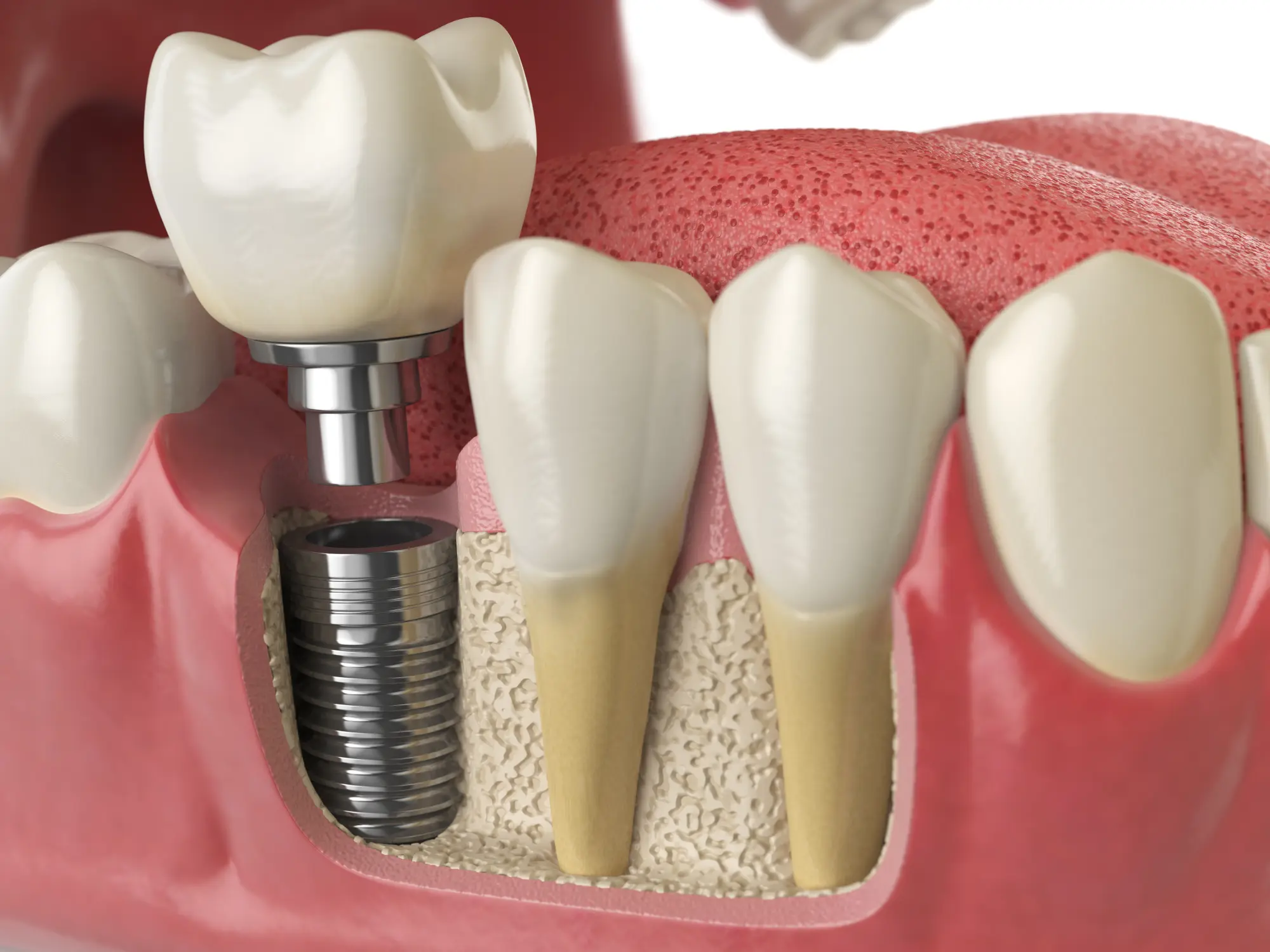
Facing tooth loss often feels overwhelming. Beyond the discomfort or changes in your smile, there’s the deeper concern about what it means for your long-term dental health. For those considering permanent dental implants, learning about the steps leading up to the procedure, including the need for a bone graft after an extraction, can help ease uncertainty.
At Madrona Dental Care, we believe that understanding your options and the “why” behind every step makes all the difference in making confident health decisions. Let’s walk through this important topic together.
What Is a Bone Graft, and Why Is It Needed?
When a tooth is extracted, whether due to decay, injury, or other complications, the structural integrity of the jawbone can be at risk. Without the stimulation of the tooth root, the jawbone begins to resorb, or shrink, over time.
This bone loss can affect the success of future restorative treatments, like permanent dental implants. A bone graft is a common procedure that helps rebuild and preserve the jawbone’s strength and volume.
This process of bone grafting involves placing a grafting material, either naturally-derived or synthetic, into the empty tooth socket to encourage bone regeneration. The graft becomes part of your bone, creating a stable foundation for dental implants and restoring the structural balance of your jaw.
Why Is the Bone Graft Placed Right After an Extraction?
The timing of a bone graft is critical. Placing the graft immediately after a tooth extraction enhances its success because:
- Preservation of bone volume: The jaw loses density rapidly after a tooth is removed. Acting quickly reduces bone loss and avoids the need for more complex grafting in the future.
- Simplifies implant placement: A strong, healthy foundation ensures your implant can be securely anchored. By addressing bone loss early, your overall treatment timeline may be shorter.
- Reduces overall healing time: Combining the extraction and grafting into one procedure minimizes surgical interventions, allowing you to move forward with implant treatment sooner.
Who Benefits Most from Immediate Bone Grafting?
Anyone who plans to replace a missing tooth with a dental implant will likely benefit from immediate bone grafting. However, it’s especially important for individuals who:
- Have experienced significant decay or damage that weakened the surrounding bone
- Wish to preserve the natural contours of their face and smile
- Have conditions that predispose them to accelerated bone loss
Dr. Matthew Gray, a Kois Center graduate, takes a thoughtful, diagnostic-first approach to ensure every patient gets a personalized care plan. This means evaluating not only the condition of the extracted tooth but also your overall health, risk factors, and goals to ensure the best possible outcome for your dental implants.
What Does the Bone Grafting Process Look Like?
Worried that a bone graft might add complexity to your treatment? Rest assured, our team at Madrona Dental Care prioritizes your comfort and understanding every step of the way. Here’s what to expect:
- Thorough evaluation: Before any procedure, we’ll assess your oral health, medical history, and jawbone condition using advanced imaging technology to create a tailored treatment plan.
- Tooth extraction and grafting: During the same appointment as your extraction, the grafting material is carefully placed into the socket. In most cases, this is a straightforward process that protects the site from future bone loss.
- Healing and integration: Over the following 3-6 months, your body naturally integrates the graft material, rebuilding lost bone and preparing the site for an implant.
- Implant placement: Once the grafted bone has fully healed, you’ll be ready for your dental implant, which will restore both function and aesthetics to your smile.
Common Questions About Bone Grafting and Extractions
Is a bone graft painful?
Most patients report minimal discomfort after the procedure. With precise techniques and local anesthesia, as well as postoperative care instructions, your comfort is always a priority.
Will a bone graft lengthen my treatment timeline?
Yes, compared to a patient who does not require a bone graft. However, a bone graft may be your only option if your jawbone is not healthy or strong enough to accommodate a dental implant on its own. Plus, by choosing to get a bone graft at the same time as a tooth extraction, you can still enjoy a faster treatment timeline compared to getting these procedures separately.
What happens if I wait too long after an extraction?
Delaying a bone graft can lead to significant bone loss, making future procedures more invasive and costly. Addressing the issue right away helps preserve your oral health and makes dental implants more straightforward.
Is Bone Grafting Right for You?
Tooth loss doesn’t have to feel like the end of your smile’s health or strength. By acting promptly and incorporating an immediate bone graft, you’re investing in long-term stability and a natural-looking result. At Madrona Dental Care, we guide you through every decision with clear explanations and trusted expertise.
Dr. Matthew Gray and our team are here to ensure your journey to a permanent dental implant is smooth, reassuring, and tailored to your needs. If you’d like to learn more or book a consultation, contact Madrona Dental Care in Anacortes, WA, at (360) 293-4695 today. Your healthiest smile starts here.
Recent Posts
Can a Tooth Be Saved with Decay Under a Crown?
How Do Implant-Supported Teeth Work? It Starts With a Plan
Why Do Providers of Permanent Dental Implants Place a Bone Graft Immediately After an Extraction?
Why a Protective Dental Crown is Essential After a Root Canal
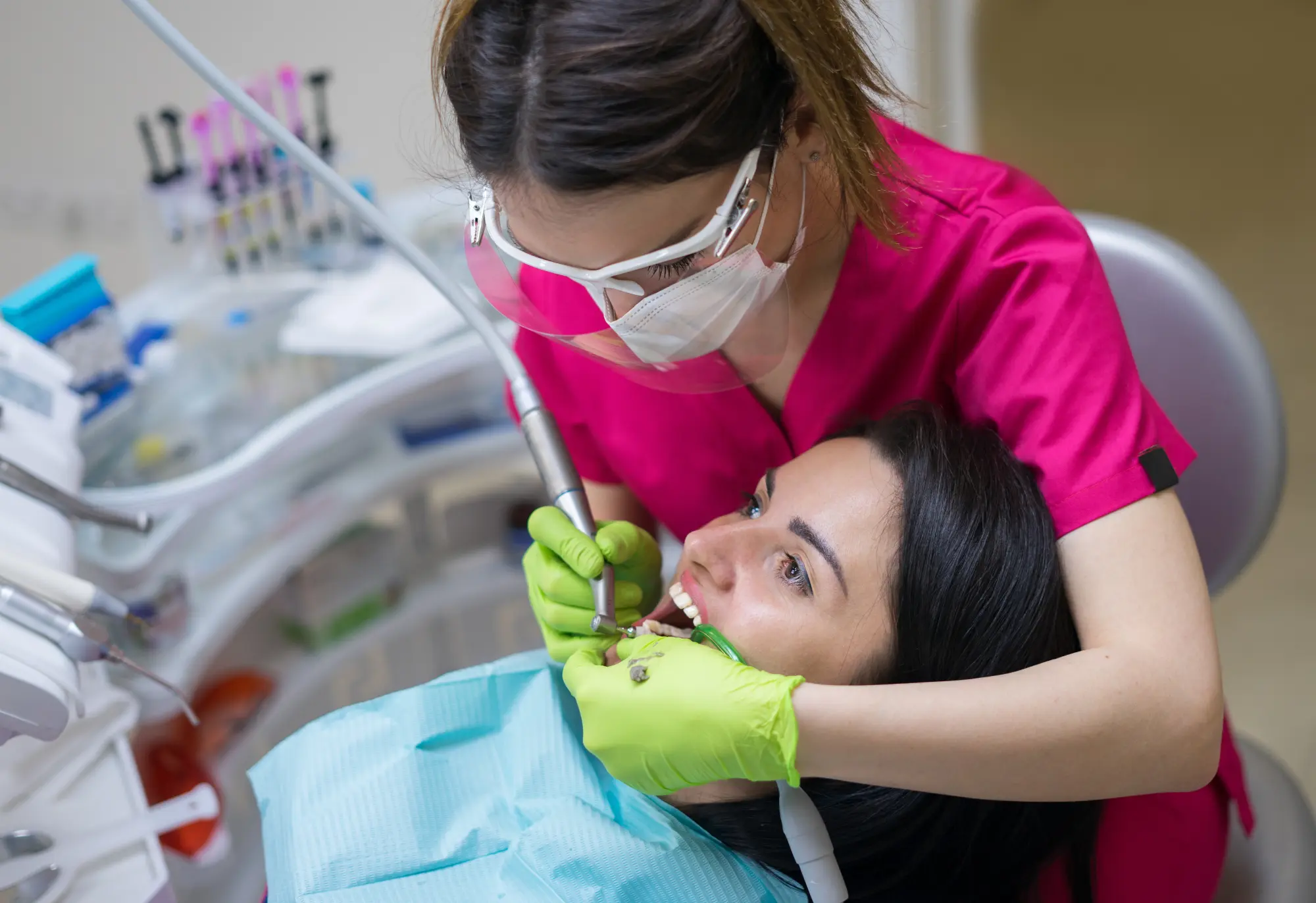
Why Does Advanced Hygiene Care Go Beyond Simple Scraping?

What Are the Steps of a Full Mouth Reconstruction in Anacortes?
Welcome to Madrona Dental Care
Come in with questions. Leave with clarity.
Whether you're in need of preventive care, restorative treatments, or a more complete understanding of your oral health, Dr. Gray and the Madrona Dental Care team are here to help.